Note
Hello, welcome to the SunFounder Raspberry Pi & Arduino & ESP32 Enthusiasts Community on Facebook! Dive deeper into Raspberry Pi, Arduino, and ESP32 with fellow enthusiasts.
Why Join?
Expert Support: Solve post-sale issues and technical challenges with help from our community and team.
Learn & Share: Exchange tips and tutorials to enhance your skills.
Exclusive Previews: Get early access to new product announcements and sneak peeks.
Special Discounts: Enjoy exclusive discounts on our newest products.
Festive Promotions and Giveaways: Take part in giveaways and holiday promotions.
👉 Ready to explore and create with us? Click [here] and join today!
Photoresistor
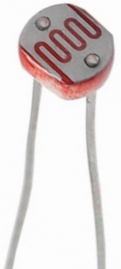
A photoresistor, also known as a photocell, is a light-sensitive variable resistor. Its resistance decreases as the intensity of incident light increases, a phenomenon known as photoconductivity.
Photoresistors are commonly used in light-sensitive detection circuits and light- or dark-activated switching circuits, functioning as semiconductor resistors. In darkness, a photoresistor’s resistance can reach several megaohms (MΩ), whereas under bright light, its resistance can drop to just a few hundred ohms.
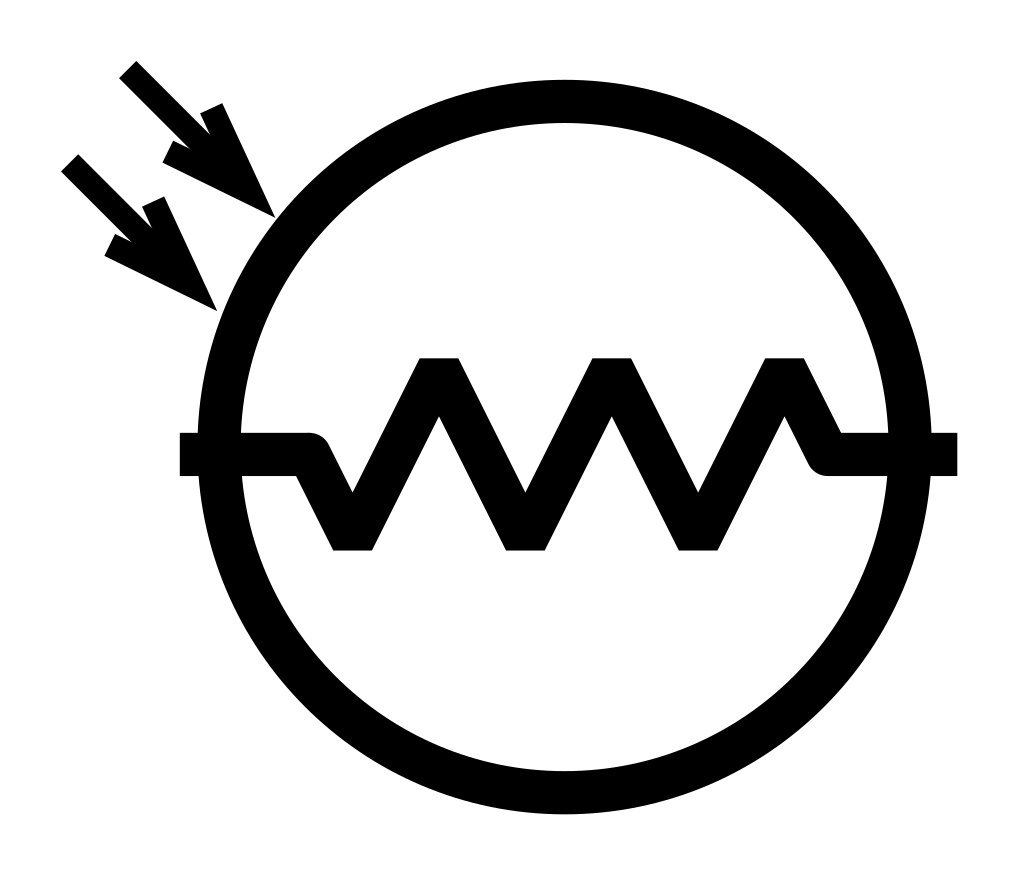
Below is the electronic symbol for a photoresistor.
Example
2.12 Feel the Light (For MicroPython User)
7.1 Creating a Light Theremin (For MicroPython User)
2.12 Feel the Light (For Arduino User)